Views: 0 Author: Site Editor Publish Time: 2026-04-22 Origin: Site
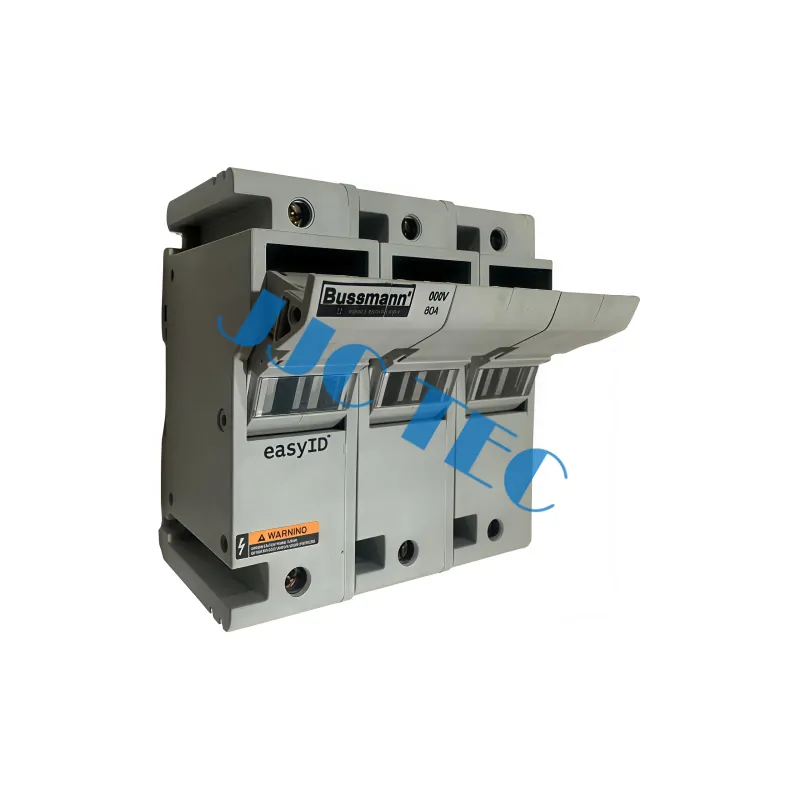
Can a tiny component cause a total rig shutdown? In Top Drive Equipment, a faulty Fuse Holder often triggers expensive downtime. This guide identifies common failure modes and offers actionable prevention strategies. You will learn to optimize maintenance and ensure continuous operational reliability.
● Vibration is the Primary Enemy: Continuous mechanical resonance in Top Drive Equipment leads to loose terminal connections and contact resistance, which are the leading causes of Fuse Holder melting.
● Thermal Management is Vital: Repeated heating and cooling cycles cause "spring fatigue" in clips; using thermal imaging helps detect these hot spots before they trigger a full system shutdown.
● Environmental Protection Matters: Salt spray, drilling fluids, and extreme temperatures degrade housing materials, making silver-plated contacts and high IP-rated enclosures essential for longevity.
● Maintenance Prevents NPT: Implementing scheduled torque audits and proactive replacement cycles for each Fuse Holder significantly reduces expensive non-productive time (NPT) on the rig.
● Quality Selection over Cost: Investing in vibration-rated, heavy-duty components from specialized providers ensures the electrical integrity and ROI of your Top Drive Equipment.
Identifying why a fuse holder fails requires looking beyond the fuse itself. In the context of Top Drive Equipment, the environment is rarely static, and electrical components must endure constant stress.
Loose Terminal Connections
High-vibration drilling environments are notorious for loosening even the most secure terminal screws. When a connection loses its tight seal, contact resistance increases. This resistance generates localized heat, which further expands the metal, creating a vicious cycle that eventually melts the holder or causes intermittent power loss to the Top Drive Equipment control system.
Thermal Fatigue of Spring Clips
The internal clips that grip the fuse rely on physical tension to maintain electrical continuity. In a Top Drive unit, these clips experience repeated heating and cooling cycles. Over time, the metal loses its "spring" memory. Once the grip weakens, micro-arcing begins, leading to pitted contact surfaces and eventual total failure of the electrical path.
Corrosion and Oxidation
Whether operating offshore with salt spray or in humid inland regions, oxidation is a silent killer. A thin layer of non-conductive oxide builds up between the fuse and the holder. It acts as an insulator, forcing the current to "jump" the gap, which creates heat and damages the chemical integrity of the component.
Material Degradation
The housings of these holders are often made of phenolic resins or specialized plastics. Constant exposure to UV rays on the rig floor or contact with caustic drilling fluids can make these materials brittle. A brittle fuse holder is prone to cracking under the mechanical load of the rig's movement.
Arcing and Carbon Tracking
When a gap forms—due to vibration or wear—electricity continues to flow via small arcs. These arcs burn the plastic housing, creating a "carbon track." Carbon is conductive, meaning electricity can eventually leak across the surface of the holder to the ground or other phases, leading to catastrophic short circuits.
Over-tightening Damage
Human error is a frequent root cause. Technicians, fearing the effects of vibration, often over-torque terminal screws. This excessive force can crack the ceramic or plastic base of the holder or strip the threads, making it impossible to maintain a secure connection over time.
Note: Mechanical vibration in the drilling mast can amplify torque loosening by up to 40% over standard industrial settings if locking washers are not utilized.
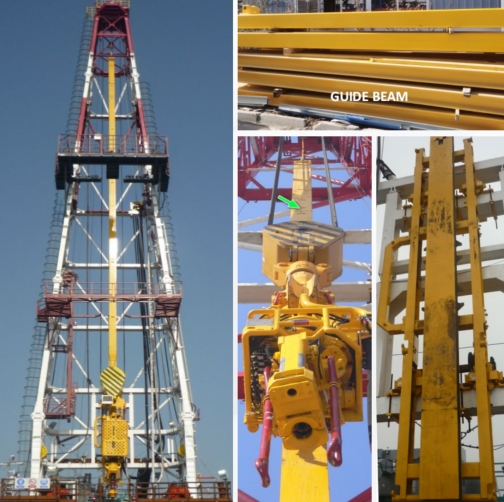
Top Drive Equipment operates in some of the most unforgiving environments on Earth. Standard industrial electrical components often fail here because they aren't rated for the specific mechanical and thermal stresses of a drilling rig.
The mechanical resonance of a working Top Drive unit creates constant G-forces. If a fuse holder is not specifically designed with high-retention clips, the fuse can actually "walk" or vibrate out of its seating. Furthermore, temperature swings—ranging from the sub-zero chill of Arctic winters to the intense operational heat of a 1000HP motor—cause materials to expand and contract at different rates.
Stress Factor | Impact on Fuse Holder | Mitigation Strategy |
Vibration | Terminal loosening & clip fatigue | Use vibration-rated holders with locking hardware |
Humidity/Salt | Surface oxidation & corrosion | Specify silver or gold-plated contacts |
Temperature | Brittle housing & thermal expansion | Use high-temperature phenolic materials |
Chemicals | Plastic degradation/cracking | Enclose in IP66+ rated control cabinets |
Note: Regularly inspect the seals on your Top Drive control house; preventing moisture ingress is the cheapest way to extend the life of your internal electrical components.
When a Top Drive stops mid-stroke, troubleshooting must be fast. Diagnosing a faulty fuse holder requires more than just checking if the fuse is blown.
Voltage drop testing is the most effective way to find a "hidden" failure. By measuring the voltage across the holder while under load, you can identify high-resistance points. A drop of more than a few millivolts usually indicates a loose connection or an oxidized clip.
Thermal imaging has become a standard tool for modern rig mechanics. Using an infrared camera, you can scan the fuse block while the Top Drive Equipment is running. A holder that appears significantly hotter than the surrounding wiring is a clear indicator of an impending failure.
Visual inspections also yield results. Look for "charring" or a "rainbow" discoloration on metal parts. These are signs of extreme heat. If the plastic housing looks chalky or has fine "spider-web" cracks, it has reached the end of its service life and should be replaced immediately.
Don't settle for "off-the-shelf" components when repairing Top Drive Equipment. The specifications must match the environment.
Look for vibration-rated components that feature reinforced spring clips. For plating, silver is generally preferred over tin in high-current applications because it maintains better conductivity even when slightly oxidized. In offshore environments, gold plating offers the best protection against salt-air corrosion, though it comes at a higher cost.
Current and voltage de-rating is also vital. If your Top Drive control circuit pulls 20 Amps, don't use a 20-Amp rated holder. Professional engineers typically "de-rate" the component, choosing a holder rated for 30 or 40 Amps to ensure it runs cool and lasts longer under continuous duty.
A proactive approach is the only way to eliminate NPT. We recommend a multi-step maintenance protocol for all Top Drive Equipment power systems.
1. Scheduled Torque Audits: Once every quarter, use a calibrated torque screwdriver to check terminal connections.
2. Cleaning Cycles: Use non-residue contact cleaners to remove dust and grease from the fuse-to-holder interface.
3. Dielectric Protection: Apply a thin layer of high-quality dielectric grease to prevent oxygen from reaching the metal surfaces.
4. Proactive Replacement: If a holder has been in service for five years in a high-vibration area, replace it. The cost of a new holder is negligible compared to a day of rig downtime.
Note:Over-greasing can actually trap heat or attract dust; apply only a micro-layer to the contact points to ensure performance.
The best fuse holder will fail if the fuse itself is installed incorrectly. We often see technicians force a fuse into a holder that is slightly the wrong size. This stretches the clips permanently, ensuring that the next fuse—even if it is the right size—will have a loose fit.
Bypassing a holder with a "jumper" or using a fuse that is too large is a recipe for disaster. It turns the fuse holder into a heating element, which can lead to a fire in the control cabinet. Finally, ensure the orientation of the holder matches the manufacturer's spec. Mounting a heavy fuse horizontally in a high-vibration Top Drive unit can create a lever effect that snaps the holder's base.
Vibration and heat are the primary causes of fuse holder failures on Top Drive Equipment. By using vibration-rated parts and strict torque protocols, you prevent massive operational delays. JJC TEC provides high-performance electrical components designed specifically for these harsh drilling environments. Their durable solutions ensure maximum uptime and protect your equipment ROI. High-quality hardware from JJC TEC turns technical maintenance into a significant financial advantage for your rig.
A: Intense drilling vibrations cause a Fuse Holder to lose contact, leading to overheating and failure.
A: Use a high-quality Fuse Holder with reinforced spring clips to ensure consistent tension against mechanical shock.
A: Contaminants and moisture create conductive paths across a Fuse Holder, resulting in catastrophic short circuits.
A: Perform thermal scans to find hot spots on each Fuse Holder before they melt.


