Views: 0 Author: Site Editor Publish Time: 2025-11-28 Origin: Site
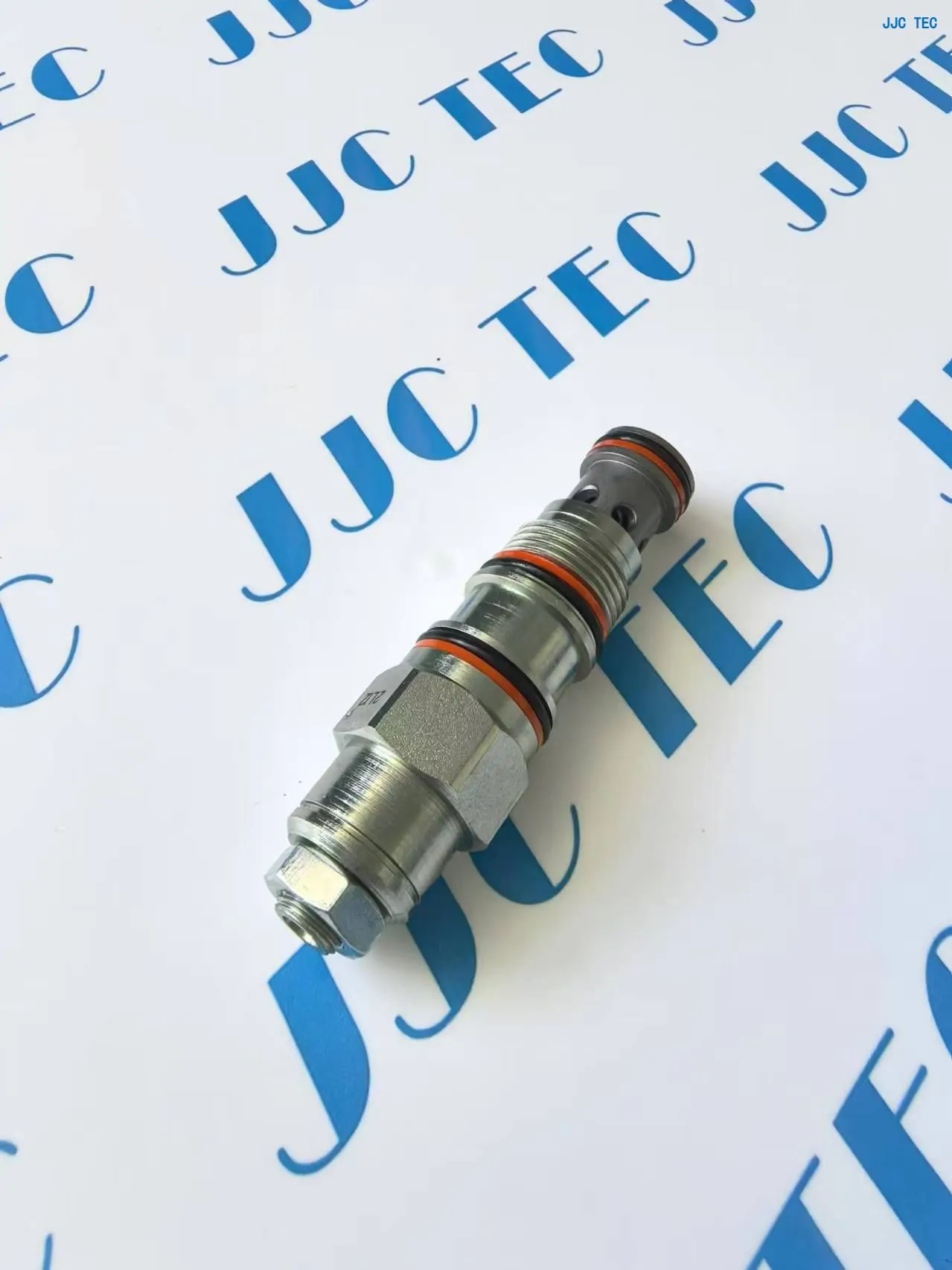
An iron roughneck is vital in oil and gas operations, ensuring efficient drill pipe handling. But what extends its lifespan? Spare parts play a crucial role in maintaining performance and safety. In this article, you'll learn how proper spare part selection can prolong your iron roughneck's life, reduce downtime, and enhance reliability.
An iron roughneck is a complex machine made up of several key parts working together. Here are the main components:
Gripping Jaws: These clamp the drill pipe tightly during make-up and break-out. They prevent slippage, ensuring safety and steady operation.
Torque Wrench: This applies the precise torque needed to tighten or loosen pipe connections. Proper torque helps avoid thread damage and ensures a secure connection.
Spinner: Spins the drill pipe quickly to speed up the make-up process, reducing manual labor.
Hydraulic System: Powers the jaws, wrench, and spinner. It must maintain consistent pressure for smooth action.
Control Panel: The operator’s interface for real-time control and monitoring of the iron roughneck’s functions.
Each part plays a vital role in the overall performance and safety of the iron roughneck.
Spare parts keep your iron roughneck running smoothly. Common ones include:
Jaw Assemblies: Replace worn gripping jaws to maintain a firm grip.
Hydraulic Hoses and Seals: These prevent leaks and maintain hydraulic pressure.
Torque Wrench Components: Gears, seals, and sensors ensure accurate torque delivery.
Spinners and Bearings: Allow smooth rotation of the drill pipe.
Control Panel Components: Buttons, screens, and wiring keep the operator connected to the machine.
Using the right spare parts ensures reliability and reduces downtime.
Knowing when parts need replacement helps avoid failures. Watch for these signs:
Gripping Jaws: Look for cracks, chips, or uneven wear that can cause slippage.
Torque Wrench: Notice inconsistent torque readings or unusual noises.
Hydraulic System: Check for leaks, low fluid levels, or slow response.
Spinner: Feel for rough rotation or unusual vibrations.
Control Panel: Watch for unresponsive buttons or error messages.
Regular inspections help catch wear early, saving costly repairs later.
Tip: Regularly inspect gripping jaws and hydraulic hoses for cracks or leaks to prevent unexpected iron roughneck failures on the rig floor.
Choosing the right spare parts for your iron roughneck is crucial to keep it running smoothly and safely. Here are key factors to consider:
Compatibility: Ensure parts fit your specific iron roughneck model. Using incompatible parts can cause malfunctions or damage.
Durability: Select parts made from materials that withstand harsh rig conditions, like high pressure, temperature, and corrosion.
Supplier Reputation: Buy from trusted suppliers with proven quality and reliable delivery times.
Availability: Parts that are readily available reduce downtime during repairs.
Warranty and Support: Opt for parts backed by good warranties and technical support.
Evaluating these factors helps avoid costly mistakes and ensures long-term performance.
Balancing quality and cost is a common challenge when selecting spare parts. Here’s how to approach it:
Avoid Cheap, Low-Quality Parts: They may save money upfront but often fail early, leading to higher repair costs and downtime.
Invest in High-Quality Parts: These last longer, improve reliability, and reduce maintenance frequency.
Consider Total Cost of Ownership: Factor in purchase price, installation, maintenance, and potential downtime costs.
Bulk Buying Discounts: Purchasing parts in bulk can lower unit costs without compromising quality.
Evaluate Return on Investment: High-quality parts that extend equipment life often pay off in the long run.
Striking the right balance helps maintain operational efficiency and control expenses.
Deciding between Original Equipment Manufacturer (OEM) and aftermarket parts is important. Here’s a quick comparison:
| Aspect | OEM Parts | Aftermarket Parts |
|---|---|---|
| Quality | High, designed for exact fit | Varies; some match OEM quality |
| Price | Generally higher | Usually lower |
| Warranty | Often includes manufacturer warranty | Warranty varies by supplier |
| Availability | May have longer lead times | Often more readily available |
| Compatibility | Guaranteed fit and performance | Risk of fit or performance issues |
| Support | Full technical support | Support depends on supplier |
OEM parts offer peace of mind but at a premium. Aftermarket parts can be cost-effective but require careful vetting to ensure quality.
Tip: Always verify spare parts’ compatibility with your iron roughneck model before purchase to avoid costly installation issues and equipment downtime.
A solid maintenance routine is key to keeping your iron roughneck reliable and safe. Here’s a breakdown of tasks by frequency:
Daily:
Visual check for oil leaks, cracked hoses, loose bolts.
Confirm hydraulic fluid levels are clean and topped.
Lubricate moving parts like gripping jaws and torque wrench joints.
Look for early wear signs on critical parts.
Weekly:
Inspect structural parts for cracks, fatigue, or misalignment.
Test control panel for responsiveness and accurate torque settings.
Clean dirt, oil, and debris off all moving components.
Monthly:
Disassemble major components for deep inspection of internal wear or damage.
Run full system tests to verify smooth operation and torque accuracy.
Update maintenance logs with all inspections, repairs, or replacements.
Sticking to these routines helps catch issues early and prevents costly breakdowns.
Modern technology makes maintenance smarter and more efficient:
Real-time Monitoring: Sensors track torque, vibration, and temperature continuously.
Data Analysis: Software spots patterns signaling part wear or failure before it happens.
Proactive Repairs: Maintenance teams can address problems early, avoiding unexpected downtime.
Predictive maintenance is especially useful for high-stress components, keeping operations smooth and safe.
Keeping detailed logs is crucial:
Document every inspection, repair, and part replacement.
Track trends in wear or failures to identify recurring issues.
Use logs to schedule preventive maintenance more effectively.
Provide records for safety audits and compliance checks.
Good record-keeping supports informed decisions and improves equipment lifespan.
Tip: Establish a clear maintenance schedule and use digital logs to track all inspections and repairs, ensuring timely upkeep and minimizing unexpected iron roughneck failures.
Lubrication plays a vital role in keeping your iron roughneck running smoothly. It reduces friction between moving parts like gripping jaws, torque wrench joints, and spinner bearings. Without proper lubrication, these components wear faster, which can lead to breakdowns and costly repairs.
Using the right lubricant helps:
Minimize metal-to-metal contact
Prevent overheating
Reduce corrosion caused by moisture or contaminants
Extend the life of seals and hydraulic components
Regular lubrication also ensures consistent performance, especially under tough rig conditions where dirt, dust, and extreme temperatures are common.
Polymers are additives that improve lubrication and protect equipment surfaces. They form a thin film that cushions parts during operation, reducing wear and tear even under high pressure and torque.
In drilling environments, polymers help by:
Lowering friction between pipe threads and roughneck components
Preventing rust and corrosion on steel surfaces
Encapsulating debris and flushing it away, keeping parts cleaner
Reducing vibration and torque fluctuations, which protects the iron roughneck’s mechanical systems
Choosing the right polymer depends on ground conditions and specific drilling challenges. For example, some polymers combat swelling clays, while others stabilize sandy or broken formations.
To maximize benefits, follow these guidelines:
Use manufacturer-recommended lubricants and polymers compatible with your iron roughneck model.
Apply lubricants regularly during daily maintenance, focusing on all moving parts and hydraulic connections.
Clean parts before lubrication to avoid trapping dirt or debris that causes abrasion.
Avoid mixing incompatible products, such as certain greases and polymer additives, which can reduce effectiveness.
Monitor lubricant condition and replace it when contaminated or degraded.
Train operators and maintenance staff on proper application techniques and schedules.
Consistent application of lubricants and polymers reduces downtime and extends your iron roughneck’s service life.
Tip: Always clean moving parts thoroughly before applying lubricants or polymers to prevent abrasive particles from accelerating wear on your iron roughneck components.
Upgrading your iron roughneck can significantly boost its performance and extend its service life. Newer components often feature improved materials and designs that handle higher torque and tougher conditions. Upgrades may also enhance safety by adding better control systems or fail-safes. Refurbishing worn parts instead of replacing the whole unit saves money and reduces downtime. It helps maintain reliability, especially in demanding drilling environments. Plus, upgraded machines often require less maintenance, lowering long-term costs.
Several upgrade kits are available for iron roughnecks, tailored to different models and operational needs. Common kits include:
High Torque Upgrade Kits: These reinforce key components like the torque wrench and gripping jaws to handle heavier loads without failure.
Hydraulic System Enhancements: Upgrades improve pressure control and fluid flow, resulting in smoother, more consistent operation.
Control Panel Modernization Kits: Newer panels offer advanced diagnostics, better user interfaces, and remote monitoring capabilities.
Jaw Assembly Refurbishment Kits: Replacing or upgrading jaws with factory-refurbished assemblies restores a firm, slip-free grip on drill pipes.
These kits help extend equipment life, reduce breakdowns, and improve operational efficiency. They also allow operators to customize their iron roughneck to meet evolving drilling demands.
A drilling contractor in Oman faced frequent downtime due to wear on their iron roughneck’s gripping jaws and torque system. After installing a high torque upgrade kit and replacing worn jaw assemblies with factory-refurbished parts, they saw a 90% reduction in downtime. The upgraded hydraulic system improved response times and torque accuracy, leading to safer and faster pipe make-up and break-out operations. This refurbishment also extended the machine’s lifespan by several years, delivering strong ROI by minimizing costly repairs and lost production time.
Tip: Before upgrading, evaluate your iron roughneck’s specific needs and consult with manufacturers or service providers to select the best upgrade kits for your drilling conditions.
Operators must know their iron roughneck inside and out. Proper training ensures they understand how to run the machine safely and efficiently. Well-trained operators can spot early signs of trouble, perform basic maintenance, and respond correctly during emergencies. This reduces the risk of accidents and equipment damage. Training should cover:
How to operate the control panel and interpret indicators
Correct procedures for make-up and break-out operations
Daily inspection routines and spotting wear signs
Safe handling of hydraulic systems and moving parts
Ongoing training refreshers keep skills sharp and update operators on new safety protocols or equipment upgrades.
Strict safety rules protect both personnel and equipment. Key protocols include:
Always wear appropriate personal protective equipment (PPE) such as gloves, helmets, and safety glasses.
Lockout/tagout procedures must be followed during maintenance or repairs to prevent accidental startup.
Keep clear zones around the iron roughneck during operation to avoid pinch points or flying debris.
Never bypass safety interlocks or guards on the machine.
Follow manufacturer guidelines for torque settings and operational limits to avoid damage or failure.
Communicate clearly with rig crew during pipe handling to coordinate movements and avoid surprises.
Regular safety audits help enforce these protocols and identify areas for improvement.
Even with precautions, emergencies can happen. Preparing for them reduces risk and downtime. Companies should:
Develop clear emergency response plans tailored to iron roughneck operations.
Train operators and crew on shutdown procedures in case of equipment failure or hydraulic leaks.
Conduct regular drills simulating common emergencies like stuck pipes, hydraulic failures, or power loss.
Ensure first aid kits and emergency stop controls are accessible and functional.
Review lessons learned after drills to improve response plans.
Prepared crews react faster and safer, minimizing injury and equipment damage.
Tip: Conduct regular hands-on safety drills and operator training sessions to build confidence and readiness for any iron roughneck emergency situation.
Proper spare part selection and maintenance are crucial for extending the life of your iron roughneck. Key components like gripping jaws, torque wrenches, and hydraulic systems require regular inspection and timely replacement. Balancing quality and cost, considering OEM versus aftermarket parts, and adhering to maintenance routines are essential strategies. Prioritizing maintenance and safety protocols ensures efficient operations and minimizes downtime. Choose reliable suppliers, like JJC TEC, for high-quality spare parts and expert support, providing exceptional value and enhancing equipment performance.
A: Iron Roughneck Spare Parts are components used to maintain and repair iron roughnecks, ensuring they function efficiently and safely in drilling operations.
A: Choose spare parts based on compatibility, durability, supplier reputation, availability, and warranty to ensure optimal performance and reduced downtime.
A: High-quality spare parts extend the equipment's life, improve reliability, and reduce maintenance frequency, ultimately offering better cost-effectiveness.
A: OEM parts guarantee fit, quality, and performance, often including manufacturer warranties and technical support, ensuring peace of mind.


