Views: 0 Author: Site Editor Publish Time: 2025-11-04 Origin: Site
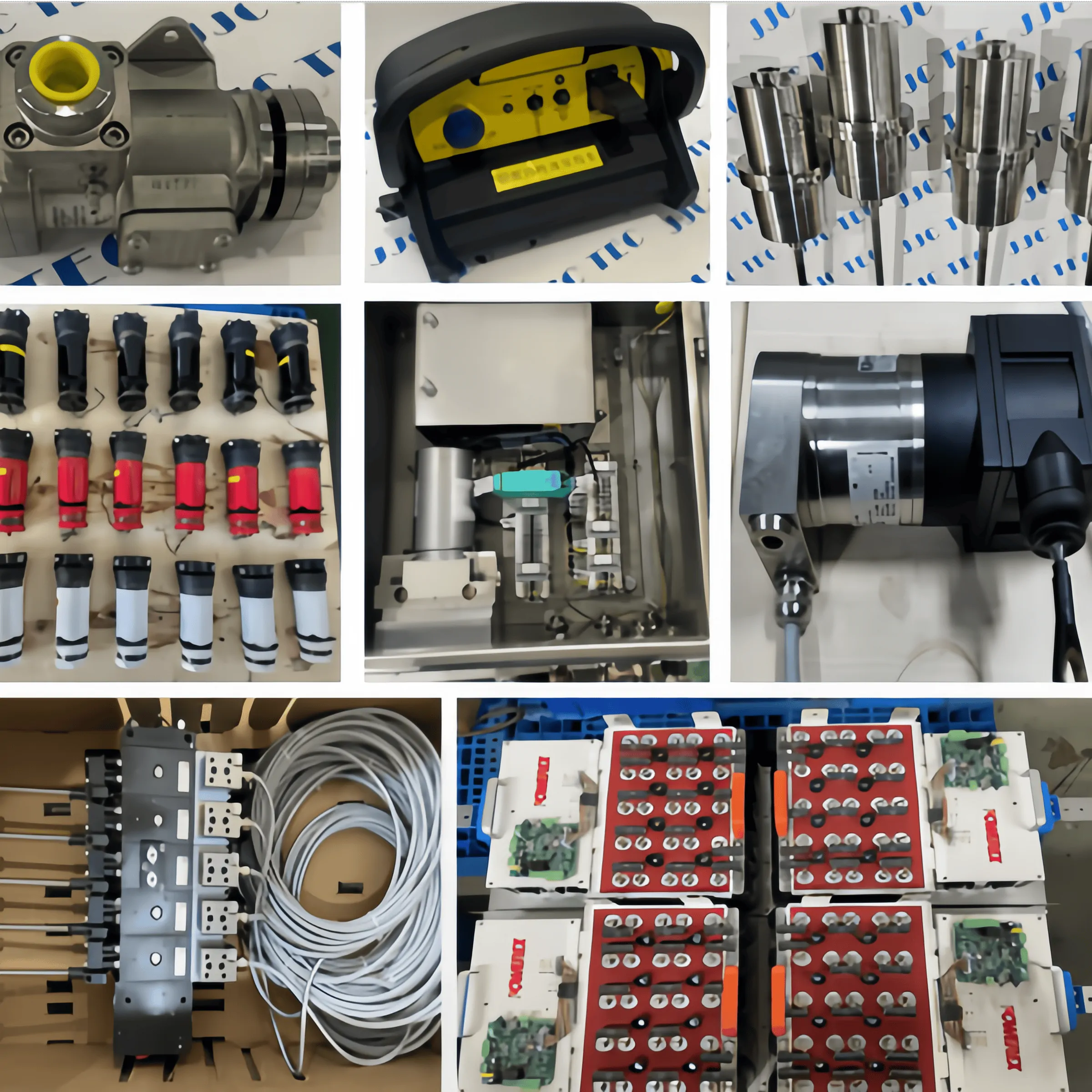
Is your iron roughneck making strange noises or struggling to perform tasks? These could be signs it needs new spare parts. Understanding the importance of iron roughneck spare parts can prevent costly downtime and ensure efficient operations. In this article, you'll learn about common signs indicating the need for new spare parts and how to recognize wear and tear in iron roughneck components.
Regular visual inspections are the first step in spotting wear and tear on your iron roughneck. Look closely for cracks, dents, or corrosion on the exterior surfaces. Pay special attention to high-stress areas like the clamp arms, hydraulic cylinders, and pivot points. Surface rust or peeling paint can indicate moisture ingress, which may lead to deeper damage if ignored.
Check for signs of oil leaks around seals and hoses. Leaks often point to worn seals or damaged hydraulic components. Also, inspect the fasteners and bolts; loose or missing hardware can cause misalignment and further wear.
Using a flashlight and magnifying glass can help reveal small cracks or fractures invisible to the naked eye. Document any abnormalities with photos and notes for comparison during future inspections.
Beyond visual checks, dimensional and non-destructive testing (NDT) techniques provide deeper insight into component health.
Dimensional Inspection: Measuring critical parts against manufacturer specifications ensures components haven’t worn beyond acceptable limits. Use calipers, micrometers, or coordinate measuring machines (CMM) to check dimensions like shaft diameters, hole sizes, and thicknesses. Deviations can affect the iron roughneck’s performance and safety.
Ultrasonic Testing (UT): UT detects internal cracks, voids, or inclusions in metal parts. It sends high-frequency sound waves through components and measures reflections. This method finds hidden defects not visible on the surface.
Magnetic Particle Testing (MPT): MPT reveals surface and near-surface cracks in ferromagnetic materials. Applying a magnetic field and iron particles highlights discontinuities by particle accumulation.
Dye Penetrant Testing (DPT): DPT uses a colored liquid to seep into surface cracks. After removing excess dye, a developer makes cracks visible under UV or white light.
These NDT methods help catch early-stage damage before it leads to failure. Combining visual inspections with dimensional and NDT techniques creates a comprehensive maintenance approach.
One of the earliest signs your iron roughneck needs new spare parts is unusual noises during operation. Grinding, squealing, or knocking sounds often indicate worn bearings, damaged gears, or misaligned components. These noises suggest parts may be failing internally and require immediate attention to prevent further damage.
Pay close attention to changes in sound patterns. A roughneck that suddenly becomes louder or produces irregular noises during pipe handling or torque application likely has components losing integrity. Ignoring these signs can lead to catastrophic failures and costly downtime.
If your iron roughneck starts struggling to perform tasks it once handled easily, it’s a clear sign spare parts may be worn out. Reduced clamping force, slower operation cycles, or inconsistent torque application can all point to degraded hydraulic cylinders, worn seals, or damaged mechanical parts.
Lower efficiency also means higher energy consumption and increased wear on other components. For example, a roughneck that can’t grip pipe securely may cause slips or misalignments, risking damage to both the tool and the pipe.
Monitoring performance metrics regularly helps catch these declines early. Comparing current operational data to manufacturer specifications or baseline performance can reveal when parts need replacing.
Repeated breakdowns and the need for frequent repairs are strong indicators your iron roughneck requires new spare parts. If you find yourself fixing the same issue multiple times or replacing parts more often than expected, it’s time to invest in quality replacements.
Constant downtime reduces productivity and increases maintenance costs. Components like hydraulic hoses, seals, and electronic sensors often wear out faster and cause recurring problems. Upgrading to durable, OEM-approved parts can improve reliability and extend maintenance intervals.
Additionally, frequent repairs may mask deeper issues. A thorough inspection to identify all worn parts ensures comprehensive maintenance, preventing future breakdowns.
Regularly scheduled inspections play a crucial role in prolonging the life of your iron roughneck. These inspections help catch early signs of wear or damage before they escalate into costly failures. By following a set timetable, you ensure no part goes unchecked for too long.
During inspections, technicians examine critical components like hydraulic cylinders, clamp arms, and pivot points. They look for cracks, corrosion, leaks, and loose fasteners. Scheduled inspections also include dimensional checks and non-destructive testing methods to detect hidden defects.
Consistent inspections allow maintenance teams to plan repairs or part replacements proactively. This approach reduces unexpected breakdowns and keeps your roughneck running smoothly. Ignoring scheduled inspections increases the risk of sudden failures and extended downtime.
Preventative maintenance goes hand-in-hand with scheduled inspections. It involves routine servicing tasks designed to prevent wear and tear from becoming severe. Examples include lubricating moving parts, tightening bolts, replacing worn seals, and calibrating sensors.
This maintenance strategy helps maintain optimal performance and efficiency. It also extends the lifespan of components by minimizing friction, corrosion, and fatigue. Preventative maintenance reduces the frequency of emergency repairs and lowers overall maintenance costs.
Moreover, it supports safety by ensuring the roughneck operates reliably under demanding conditions. Preventative care can also improve energy efficiency, saving operational expenses over time.
Together, scheduled inspections and preventative maintenance create a robust system to protect your iron roughneck investment. They help avoid costly downtime, improve reliability, and maximize productivity.
Selecting spare parts that fit your iron roughneck model is crucial. Each model has unique specifications and design features. Using parts not designed for your model can cause poor fit, reduced performance, or even damage.
Check the manufacturer’s part numbers and cross-reference them with your roughneck model. OEM (Original Equipment Manufacturer) parts ensure exact compatibility and maintain warranty coverage. If OEM parts are unavailable, choose high-quality aftermarket parts verified for your model.
Compatibility goes beyond size and shape. Hydraulic components, seals, and electronic sensors must match system pressure, flow rates, and electrical specifications. Mismatched parts can lead to leaks, malfunctions, or safety hazards.
When ordering, provide your roughneck’s model number, serial number, and detailed description. This info helps suppliers recommend the correct parts quickly, reducing downtime.
Quality spare parts extend your iron roughneck’s service life and improve reliability. Inferior parts may wear out faster, causing frequent repairs and unexpected failures.
Look for parts made from durable materials designed for harsh oilfield environments. Components exposed to high stress, heat, or corrosion require robust construction. For example, hardened steel gears and corrosion-resistant seals last longer.
Verify that parts meet industry standards or certifications. This ensures they underwent testing for strength, wear resistance, and performance.
Also, consider the supplier’s reputation. Trusted manufacturers and distributors often provide warranties and technical support. Buying from reputable sources reduces the risk of counterfeit or substandard parts.
Investing in quality parts may cost more upfront but saves money over time by minimizing downtime and maintenance expenses.
Tip: Always verify spare parts compatibility using your iron roughneck’s model and serial numbers to ensure proper fit and function, preventing costly errors and downtime.
Replacing spare parts promptly often saves money over time. When worn components continue operating, they can cause damage to other parts, leading to expensive repairs or even total equipment failure. For example, a damaged hydraulic seal left unreplaced might cause a leak that affects the entire hydraulic system, resulting in longer downtime and higher repair costs.
Timely replacement reduces unplanned downtime, which is critical in drilling operations where every hour counts. It also lowers labor costs by preventing emergency repairs that require overtime or specialized technicians. Investing in spare parts before failure helps maintain steady workflow and avoids costly operational interruptions.
Moreover, parts replaced early tend to be less expensive than emergency or last-minute orders. Suppliers often offer better pricing for planned purchases, and shipping can be scheduled to avoid rush fees.
Choosing high-quality spare parts brings long-term advantages beyond immediate cost savings. Durable parts last longer, reducing the frequency of replacements. For example, using OEM or certified aftermarket parts made from hardened steel or corrosion-resistant materials can significantly extend component life.
High-quality parts also improve equipment reliability. They fit better, work more efficiently, and reduce the risk of malfunctions. This reliability translates to consistent performance, safer operations, and less downtime.
Additionally, premium parts often come with warranties and technical support, giving you peace of mind and assistance if issues arise. They can help maintain compliance with safety and operational standards, which is crucial in regulated industries.
Investing in quality spare parts also protects your iron roughneck’s value. Well-maintained equipment with genuine parts tends to have higher resale or trade-in value.
Professional maintenance teams provide comprehensive support for iron roughneck upkeep. Their services often include:
On-site inspections: Experts visit your site to perform detailed visual, dimensional, and non-destructive testing inspections. They identify worn or damaged parts early, preventing unexpected failures.
Repairs and troubleshooting: Skilled technicians diagnose issues quickly and carry out repairs such as welding, machining, or hydraulic system fixes. This minimizes downtime and restores functionality efficiently.
Complete overhauls: When roughnecks require major servicing, professionals perform full strip-downs, inspect every component, replace necessary parts, and rebuild the equipment according to proprietary standards. This thorough approach ensures long-term reliability.
Spare parts supply and installation: Maintenance teams often supply OEM or high-quality aftermarket spare parts. They also install upgrade kits to improve performance or extend equipment life.
Preventative maintenance programs: Experts help set up scheduled inspections and servicing routines, tailoring plans to your operational needs. This proactive approach reduces breakdowns and maintenance costs.
Technical support and training: Some providers offer ongoing support and training for your in-house maintenance crew, helping them handle routine tasks and spot early warning signs.
These services combine to keep your iron roughneck operating safely, efficiently, and with minimal downtime.
Selecting the right maintenance partner is crucial. Consider these factors:
Experience and expertise: Choose teams specializing in iron roughneck maintenance. Ask about their history working with your roughneck model or brand.
Range of services: Ensure they offer inspections, repairs, overhauls, parts supply, and preventative maintenance. A full-service provider simplifies management.
Reputation and references: Check reviews, client testimonials, or request references. Reliable providers have proven track records for quality and timely service.
Response time and availability: Downtime costs add up quickly. Pick a provider known for fast response and flexible scheduling to minimize operational disruption.
Technical capabilities: Confirm they have the necessary tools for dimensional and NDT inspections, machining, welding, and hydraulic repairs.
Parts quality: Verify they supply OEM or certified aftermarket parts, avoiding substandard components that risk equipment damage.
Transparent pricing: Request clear, competitive quotes including labor, parts, and any additional fees. Avoid providers with hidden costs.
Safety and compliance: Ensure they follow industry safety standards and environmental regulations during maintenance work.
Location and logistics: Providers near your site or with mobile teams reduce travel delays and costs.
By carefully vetting providers based on these criteria, you ensure expert support that protects your iron roughneck investment and maximizes uptime.
Timely replacement of spare parts is crucial for maintaining iron roughneck efficiency and preventing costly downtime. Regular inspections help identify worn components, allowing for proactive replacements that enhance performance and safety. JJC TEC offers high-quality spare parts and expert maintenance services, ensuring your iron roughneck operates reliably and efficiently. Investing in quality components protects your equipment's value and maximizes productivity, making JJC TEC a trusted partner for your maintenance needs.
A: Signs include unusual noises, decreased performance, frequent breakdowns, and visible wear on components. Regular inspections can help identify these issues early.
A: Verify compatibility with your model using manufacturer part numbers. Opt for OEM or high-quality aftermarket parts to ensure proper fit and function.
A: Timely replacement prevents further damage, reduces downtime, and lowers repair costs by avoiding emergency fixes.


