Views: 0 Author: Site Editor Publish Time: 2026-01-21 Origin: Site
Iron Roughneck is an essential piece of equipment used in oil and gas drilling operations, particularly for handling drill pipes and making the process more efficient. It automates critical tasks such as pipe make-up, break-out, and handling, reducing manual labor and enhancing safety. Iron Roughneck machines are designed to perform in harsh environments and need to be well-maintained to ensure smooth operations.
In these environments, consistent performance is vital for avoiding delays, reducing downtime, and ensuring the safety of workers. Therefore, keeping Iron Roughneck systems in optimal working condition is crucial. Regular maintenance, prompt troubleshooting, and timely spare part replacements are key to keeping the equipment running smoothly.
Iron Roughneck machines are highly complex, and over time, various faults can occur. Recognizing these faults early and addressing them with the right spare parts can help avoid costly downtime. Below are the common faults encountered in Iron Roughneck systems.
The hydraulic system of the Iron Roughneck is responsible for powering the equipment’s mechanical components, ensuring smooth operation. When hydraulic systems fail, it can cause the equipment to stall or become inefficient.
Low Pressure: Caused by leaks or worn-out pumps.
Oil Leaks: Can occur due to seals becoming worn or damaged.
Pump Malfunction: If the hydraulic pump is not functioning correctly, it affects the pressure levels needed to operate the system.
Hydraulic system failures can reduce the overall efficiency of Iron Roughneck machines. They often result in delayed operations, especially when tasks like pipe handling and makeup require hydraulic force. If not resolved, these failures can lead to severe operational shutdowns.
Regularly inspect hydraulic components for signs of wear or leakage.
Replace worn-out seals, hoses, or pumps as needed.
Use high-quality hydraulic fluids to prevent contamination.
Recommended Spare Parts:
Hydraulic seals and O-rings
Hydraulic pumps and valves
Hoses and tubing
Mechanical failures occur when parts like gears, bearings, or motors wear out over time. Since Iron Roughnecks operate in high-stress environments, these parts are subject to significant wear and tear.
Excessive Wear on Gears and Bearings: Over time, the gears and bearings inside the Iron Roughneck can degrade, causing slippage and operational failure.
Improper Lubrication: Failure to lubricate moving parts results in friction, leading to accelerated wear.
Overloading: When the equipment is pushed beyond its capacity, it can lead to breakdowns.
Mechanical failures reduce the overall efficiency and can cause complete system shutdowns, as the gears and motors are responsible for executing critical tasks such as make-up and break-out.
Regular lubrication of moving parts to reduce friction and wear.
Replacing gears and bearings during scheduled maintenance.
Ensuring proper load management and usage.
Recommended Spare Parts:
Bearings
Gears and shafts
Motors
Electrical systems in Iron Roughneck equipment are responsible for power distribution and sensor monitoring. If the electrical components malfunction, the Iron Roughneck cannot perform its tasks effectively.
Wiring Issues: Corrosion or damage to the wiring can interrupt power flow.
Sensor Failures: Sensors provide essential feedback to the control system. Faulty sensors may lead to inaccurate readings or complete failure.
Power Failure: Power outages or inconsistent voltage can affect operations.
Electrical issues are often the most difficult to detect early, but they can result in significant operational issues. For example, sensor failures can result in the system not detecting faults or errors, leading to unsafe conditions.
Regular inspection of wiring and connectors for signs of wear or damage.
Testing sensors and replacing faulty ones.
Ensuring that the power supply is stable and consistent.
Recommended Spare Parts:
Wiring and connectors
Sensors and control modules
Circuit breakers
The control system of Iron Roughneck equipment is the "brain" that manages all operations. Malfunctions in the control system can result in incorrect or unsafe operation.
Software Malfunctions: Errors in the software that controls the system can result in operational failures.
Sensor Calibration Issues: Sensors must be calibrated regularly for accurate performance. If they are out of calibration, the control system will not function properly.
Control system failures directly impact the machine's ability to execute commands correctly. Malfunctions may lead to poor performance, safety risks, or even complete equipment failure.
Updating and maintaining control software.
Recalibrating sensors and control modules regularly.
Recommended Spare Parts:
Control system modules
Sensor calibration tools
Software updates and patches
The structural integrity of the Iron Roughneck is vital for its safe and stable operation. Structural damage can lead to dangerous failures, especially under high stress.
Bending or Cracking: Structural components can bend or crack due to excessive load or poor maintenance.
Corrosion: Exposure to harsh environmental conditions, such as moisture and chemicals, can lead to rust and corrosion.
Structural damage can lead to instability during operations, posing a significant safety risk. It can also disrupt normal tasks like pipe handling and makeup.
Regular inspections for cracks or bends in structural components.
Replacing or repairing damaged parts before they become critical.
Recommended Spare Parts:
Structural reinforcement components
Replacement bolts and fasteners
Anti-corrosion coatings
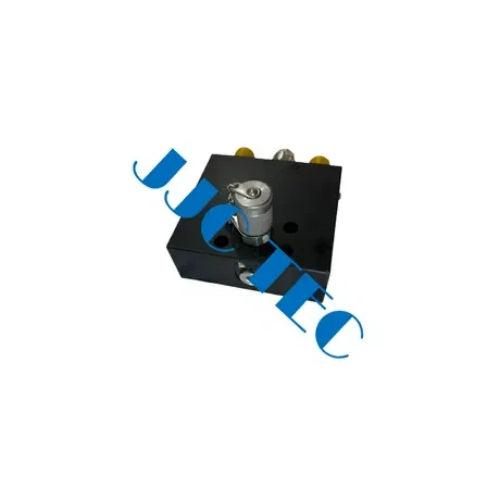
Troubleshooting an Iron Roughneck involves systematic checks and diagnostics. The earlier a fault is detected, the easier and less costly it is to repair. Below is the troubleshooting process for Iron Roughneck equipment.
Before using diagnostic tools, a quick visual inspection can help identify obvious issues, such as:
Leaking hydraulic fluid
Visible cracks in the structure
Worn-out gears and components
To effectively troubleshoot, technicians can use various tools and techniques:
Pressure gauges to monitor hydraulic pressure.
Vibration analysis to detect mechanical issues.
Diagnostic software to analyze control system performance.
Fault Type | Possible Cause | Recommended Action |
Hydraulic Failure | Oil leaks, low pressure, pump issues | Inspect seals, replace pumps, check hoses |
Mechanical Failure | Worn-out gears, excessive load | Replace bearings, lubricate moving parts |
Electrical Issue | Wiring faults, sensor malfunction | Check wiring, replace sensors |
Control Failure | Software bugs, sensor calibration | Update software, recalibrate sensors |
Structural Damage | Cracks, rust, poor maintenance | Inspect for cracks, replace damaged parts |
Preventative maintenance is the best way to reduce the risk of equipment failures. Regular checks, lubrication, and timely replacement of parts can help prolong the life of Iron Roughneck machines.
Reduced Downtime: Prevents unexpected breakdowns, ensuring continuous operations.
Improved Safety: Detecting faults early reduces the risk of accidents.
Cost Savings: Regular maintenance is more cost-effective than emergency repairs and replacement.
When it comes to buying spare parts for Iron Roughneck, quality and compatibility are critical. The right spare parts can extend the life of your equipment, while low-quality alternatives can lead to increased failures and costs.
While low-cost spare parts may seem attractive, they often lack the durability and reliability of high-quality components. Poor-quality parts can result in:
Increased wear and tear
Frequent breakdowns
Safety risks
It's important to buy spare parts from trusted suppliers who offer:
Genuine parts with warranties
Quick delivery times to minimize downtime
Compatibility with your specific Iron Roughneck model
High-quality spare parts help maintain the efficiency and longevity of Iron Roughneck machines. They ensure that critical components, such as hydraulic pumps, gears, and sensors, continue to operate at peak performance.
Iron Roughneck spare parts are crucial to ensuring the smooth operation of oil and gas drilling activities. By addressing common faults swiftly and using high-quality spare parts, we can help prevent costly downtime and significantly enhance the overall efficiency of drilling operations. Timely maintenance and troubleshooting not only extend the life of the equipment but also ensure a safe working environment on-site.
At Beijing JJC Technology Co., Ltd, we specialize in providing top-quality spare parts designed to meet the specific needs of Iron Roughneck systems. Our comprehensive range of products and expert services are aimed at maximizing performance and minimizing disruptions in your operations. By choosing our reliable solutions, you ensure the longevity and efficiency of your equipment, reducing both operational risks and unexpected repair costs.
To learn more about how we can support your drilling operations and provide the best spare parts and services for your Iron Roughneck systems, we encourage you to reach out to us directly. Our team is ready to assist you with tailored solutions that meet your specific needs.
The most common faults include hydraulic system failures, mechanical wear, electrical system issues, control system malfunctions, and structural damage.
Start with a visual inspection, then use diagnostic tools like pressure gauges and vibration analysis. Follow a systematic approach for each component and replace faulty parts.
Regular maintenance helps identify and address issues early, reducing the likelihood of major breakdowns and ensuring continuous operation.
Choose high-quality, compatible spare parts from trusted suppliers to ensure durability and proper function.
Yes, low-cost parts can lead to faster wear and tear, frequent failures, and increased safety risks.
The lifespan of spare parts depends on usage, maintenance, and the specific part. Regular checks can help extend their lifespan.


