Views: 0 Author: Site Editor Publish Time: 2026-01-14 Origin: Site
National Oilwell Varco (NOV) is a global leader in providing innovative equipment and solutions for the oil and gas industry, with a strong focus on drilling equipment. NOV spare parts are critical to ensuring that drilling rigs operate smoothly and efficiently. The spare parts used in NOV rigs are designed to meet high-performance standards, contributing to the operational reliability and safety of rigs in demanding environments. Proper maintenance of these parts is essential to maximize their lifespan, avoid downtime, and reduce costly repairs.
In the high-stakes world of oil and gas drilling, downtime due to equipment failure can lead to significant financial losses and delays in project timelines. Regular maintenance of NOV spare parts is crucial for maintaining the smooth operation of rigs. Preventing unexpected failures and prolonging the lifespan of critical components reduces operational costs and enhances overall productivity. Neglecting maintenance can lead to equipment wear, mechanical failure, and safety hazards, which can disrupt drilling operations and impact profitability.
NOV provides a wide range of spare parts for various types of drilling equipment, including mechanical, electrical, and safety components. These parts are essential for the efficient operation of drilling rigs and must be maintained regularly. Below are some common categories of NOV spare parts:
Mechanical Parts
These include components like top drives, mud pumps, and rotary tables. These parts are crucial for the physical operation of the rig and are subject to wear due to constant use under high-stress conditions.
Electrical Components
Electrical parts, including control systems, sensors, and wiring, are vital for managing the rig’s automated functions and ensuring safe and efficient operations. Regular inspection is necessary to detect potential issues like short circuits or malfunctioning sensors.
Safety Equipment
Blowout preventers (BOPs), emergency shut-off valves, and other safety-related parts are critical for preventing accidents and ensuring the safety of personnel. These parts require frequent testing and maintenance to meet regulatory standards.
While all NOV spare parts play an important role, certain components should be prioritized for maintenance due to their significance in overall rig performance:
Top Drives
Top drives are essential for drilling operations and must be inspected regularly to ensure they are functioning properly. Worn seals and damaged bearings are common issues that can impact performance.
Mud Pumps
Mud pumps are used to circulate drilling fluid and must be checked regularly for signs of wear on pistons, valve seats, and liners. Mud pump failure can lead to poor circulation, which can significantly impact drilling efficiency.
Blowout Preventers (BOPs)
BOPs are crucial safety devices that must undergo frequent testing and inspection to ensure their readiness in case of an emergency. Neglecting maintenance can lead to catastrophic failures in the event of a blowout.
A well-structured maintenance schedule is essential to ensure that all spare parts are regularly inspected and maintained. The frequency of maintenance depends on the type of equipment and the operational hours of the rig. Establishing a routine schedule helps identify potential problems before they escalate into major issues, thus reducing downtime and repair costs.
Daily Inspections:
Daily checks should focus on easy-to-access parts such as gauges, fluid levels, and visible components to ensure everything is functioning as expected. Operators should also check for signs of leaks, overheating, or unusual noises.
Weekly Inspections:
Weekly maintenance should focus on inspecting critical mechanical components like mud pumps, rotary tables, and top drives. Ensure that lubrication levels are adequate, and check for signs of wear or damage.
Monthly or Quarterly Inspections:
For high-use parts like BOPs, a more thorough inspection should be conducted monthly or quarterly, depending on operational hours. These inspections should include pressure tests and checks for hydraulic system functionality.
Maintaining NOV spare parts requires a combination of proactive inspections, cleaning, lubrication, and timely replacements. Below are key steps for maintaining NOV spare parts effectively:
Inspection:
Regular visual inspections should be conducted to identify any visible signs of wear or damage. Look for rust, cracks, or leaks that could indicate a potential issue.
Lubrication:
Lubricating moving parts, such as gears, pumps, and motors, is essential to ensure smooth operation and prevent premature wear. Ensure that the right type of lubricant is used and that it is applied at the correct intervals.
Replacement of Worn Parts:
Parts that show signs of significant wear, such as damaged seals, bearings, or hoses, should be replaced promptly. Failure to do so can lead to equipment failure and costly repairs down the line.
Testing and Calibration:
For electrical and control system components, regular testing and calibration are required to ensure that sensors, gauges, and automation systems are working correctly. This is particularly important for safety-critical systems like BOPs.
To perform regular maintenance on NOV spare parts, certain tools and equipment are necessary. These tools ensure that inspections and repairs are done safely and efficiently:
Wrenches, screwdrivers, and pliers for mechanical parts
Lubricant dispensers for proper lubrication
Pressure testers for hydraulic components like BOPs
Multimeters and calibration equipment for electrical systems
To ensure the longevity of NOV spare parts, it's essential to establish a maintenance cycle based on the type of part and its role in the drilling operation. Below is a suggested maintenance cycle for key spare parts:
Spare Part | Frequency | Maintenance Tasks |
Top Drives | Every 100 hours | Inspect seals, replace filters, check bearings |
Mud Pumps | Every 200 hours | Inspect valve seats, piston rods, replace worn liners |
Blowout Preventers | Every 50 hours | Pressure test, inspect hydraulic systems, check seals |
Rotary Tables | Every 150 hours | Inspect gearboxes, lubrication levels, check bearings |
Control Systems | Annually | Clean components, check connections, calibrate sensors |
Incorporating a well-organized schedule ensures that each spare part receives the appropriate attention at the right time, minimizing the risk of failure and maximizing operational uptime.
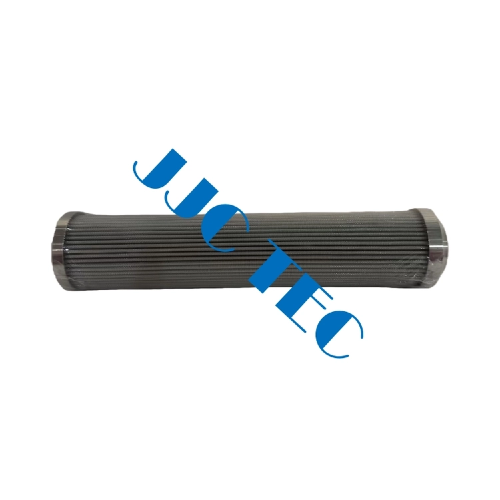
Recognizing the early signs of wear on spare parts is crucial for preventing major failures. Some common signs that a NOV spare part needs attention include:
Strange Noises:
Unusual sounds, such as grinding or squeaking, often indicate that a part is not functioning properly and may need lubrication or replacement.
Reduced Performance:
A noticeable drop in efficiency, such as slower movement of a top drive or reduced pumping capacity, can indicate wear or damage to internal components.
Leaks:
Leaking hydraulic fluid, oil, or coolant can signify worn seals or gaskets, which need to be replaced to prevent further damage.
By addressing minor issues early, you can avoid expensive repairs and downtime. For example:
Replace Worn Seals Early:
If you notice that seals are starting to wear, replace them before fluid leaks occur. This will prevent more serious damage to hydraulic systems and prevent costly repairs.
Lubricate Moving Parts Regularly:
Keep mechanical parts well-lubricated to reduce friction and prevent excessive wear, especially on pumps and rotary tables.
While many parts can be repaired, some may need to be replaced entirely once they reach the end of their useful life. Consider replacing spare parts when:
Excessive Wear:
Parts that show signs of extreme wear, such as cracks or significant loss of material, should be replaced rather than repaired.
Safety Concerns:
If a part is safety-critical (e.g., BOP), replace it immediately if it shows signs of malfunction or wear that could compromise safety.
Consistent maintenance helps to extend the life of NOV spare parts by preventing premature wear and catching small issues before they escalate. Regular inspections and timely replacements ensure that parts operate within their designed performance parameters, reducing the likelihood of unexpected failures.
Regular maintenance is a cost-effective strategy compared to dealing with emergency repairs. By keeping parts in optimal condition, drilling operations can avoid the high costs associated with equipment downtime, lost production, and emergency replacement parts. Proactive maintenance helps to reduce long-term operational expenses and ensures that rigs run at their most efficient capacity.
In conclusion, regular maintenance of NOV spare parts is crucial to ensure the seamless operation of drilling rigs. By adhering to a well-organized maintenance schedule, addressing minor issues early, and replacing parts as needed, operators can avoid significant failures and extend the life of their equipment. At Beijing JJC Technology Co., Ltd, we understand the importance of proper maintenance for optimal rig performance. Our team of experts offers tailored solutions to help maintain the highest standards of operational efficiency, minimize downtime, and reduce the risk of unexpected breakdowns. We encourage all drilling rig operators to implement a comprehensive maintenance plan and partner with us to enhance the reliability and longevity of their NOV spare parts. For more information or to discuss your specific needs, please feel free to contact us.
How often should NOV spare parts be maintained?
Maintenance frequency depends on the spare part type, but critical parts like top drives and mud pumps require inspections every 100–200 hours of operation.
What happens if NOV spare parts are not regularly maintained?
Neglecting maintenance can lead to equipment failure, reduced performance, increased downtime, and safety risks.
Can I maintain NOV spare parts without professional help?
While some basic maintenance tasks can be performed by rig operators, it’s recommended to consult with professionals for complex tasks, especially safety-critical systems like BOPs.
What are the signs that a NOV spare part needs to be replaced?
Look out for unusual noises, leaks, reduced performance, or visible wear, all of which can indicate that parts need replacement.
How can regular maintenance help reduce operational costs?
Regular maintenance helps avoid expensive emergency repairs, reduces downtime, and keeps equipment running at peak efficiency, saving money in the long term.


