Views: 0 Author: Site Editor Publish Time: 2025-11-07 Origin: Site
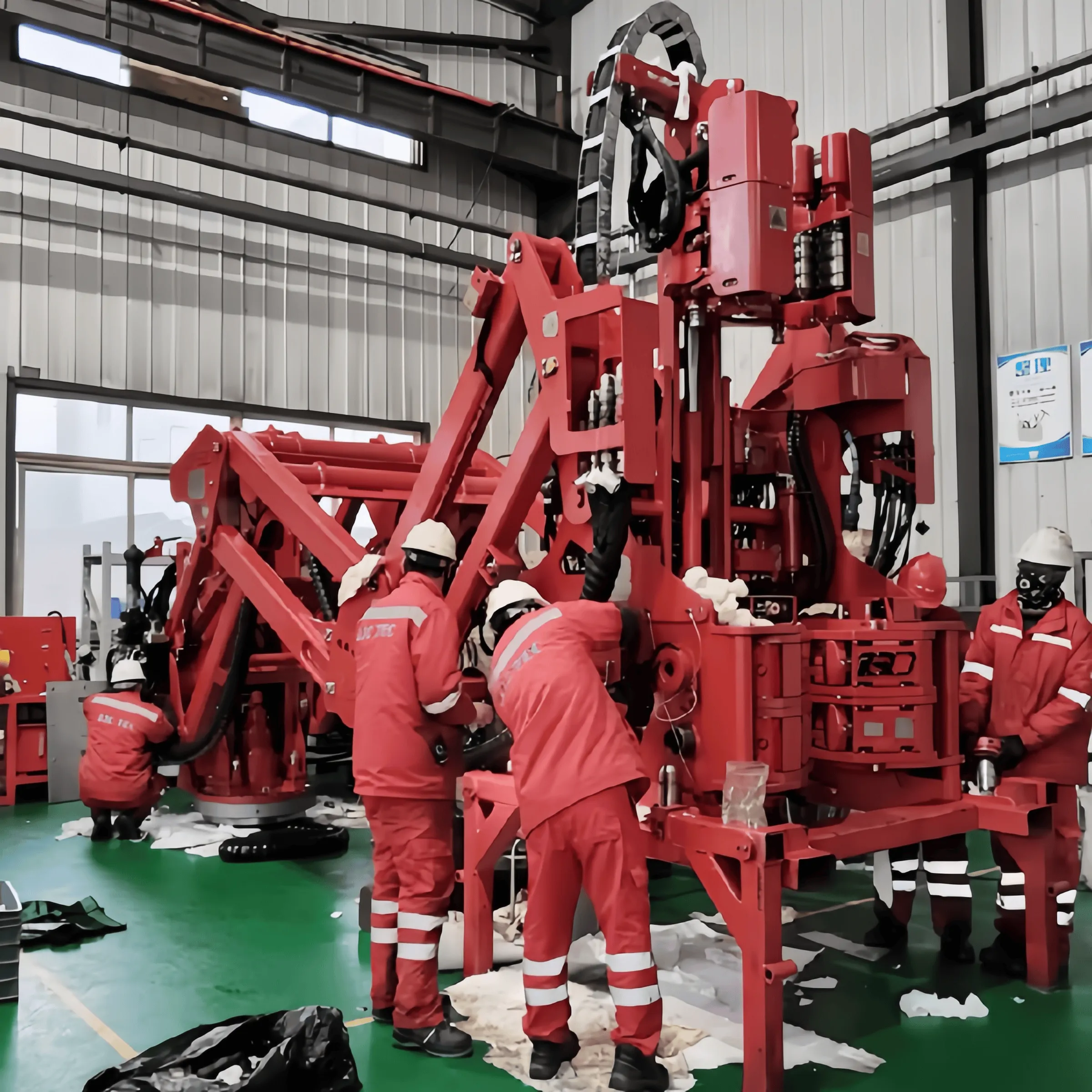
Imagine a drilling operation grinding to a halt due to a missing spare part. Drilling Equipment Spare Parts are crucial for seamless operations. Downtime costs money and affects productivity. In this post, you'll learn how selecting the right spare parts can reduce downtime, enhance efficiency, and save costs. Discover strategies for choosing the best parts for your drilling equipment.
Drilling equipment relies on many spare parts, each serving a specific function. Common types include:
Wear parts: drill bits, stabilizers, and wear rings that face constant abrasion.
Rotating parts: bearings, shafts, and gears that enable motion.
Sealing components: gaskets, seals, and O-rings preventing leaks.
Hydraulic parts: pumps, valves, and cylinders controlling fluid power.
Electrical parts: sensors, switches, and connectors managing control systems.
Each part must match the rig’s design and operating conditions to ensure smooth operation.
Spare parts directly influence drilling rig performance. High-quality parts:
Improve equipment reliability, reducing unexpected failures.
Enhance operational efficiency by maintaining optimal function.
Extend equipment lifespan by minimizing wear and tear.
Lower maintenance costs through fewer repairs and replacements.
Conversely, poor-quality or incompatible parts cause frequent breakdowns, increasing downtime and expenses.
Managing spare parts involves several challenges:
Inventory balancing: keeping enough parts to avoid delays, yet not overstocking.
Quality assurance: verifying parts meet industry standards and rig specifications.
Supplier reliability: depending on timely delivery and consistent quality.
Compatibility issues: ensuring parts fit older or customized equipment.
Environmental adaptation: selecting parts that withstand harsh drilling conditions.
These challenges require careful planning and coordination to keep rigs running efficiently.
Tip: Regularly audit your spare parts inventory and supplier quality to prevent unexpected downtime caused by incompatible or low-quality components.
Steel remains a popular choice for drilling equipment spare parts due to its strength, toughness, and heat resistance. It handles heavy loads and high-pressure environments well. However, steel can be prone to corrosion, especially in offshore or humid conditions, which may reduce its lifespan if not properly treated.
Composite materials, on the other hand, offer excellent corrosion resistance and lighter weight. These features make composites ideal for parts exposed to harsh environments, such as saltwater or chemically aggressive drilling sites. They also reduce the overall equipment weight, improving efficiency. However, composites might lack the same level of strength and heat resistance as steel, so their use depends on the specific application.
Choosing between steel and composites involves balancing durability, weight, and environmental resistance. For example, drill collars might use steel for strength, while protective covers could be made from composites to resist corrosion.
Specialized alloys combine elements to enhance properties like wear resistance, toughness, and corrosion protection. For drilling spare parts, alloys such as stainless steel or nickel-based superalloys offer superior performance in demanding conditions.
These alloys often resist abrasion and corrosion better than standard steel, extending part service life and reducing downtime. For instance, drill bits made from tungsten carbide alloys resist wear far longer than conventional materials, cutting replacement frequency.
Though more expensive upfront, specialized alloys lower overall costs by minimizing failures and maintenance needs. They also maintain mechanical integrity under extreme temperatures and pressures common in drilling operations.
Environmental factors heavily influence material choice. Offshore rigs face constant exposure to saltwater, humidity, and strong winds. Parts here require excellent corrosion resistance, favoring composites or corrosion-resistant alloys.
Onshore rigs might encounter dusty, sandy, or abrasive environments, demanding materials with high wear resistance. Extreme temperatures—both hot deserts and freezing arctic zones—require materials that maintain strength and flexibility under thermal stress.
For example, in cold climates, materials that resist brittleness at low temperatures prevent cracking. In contrast, hot environments need materials that resist thermal expansion and degradation.
Customizing spare parts based on these conditions ensures longer service life and fewer unexpected failures. It also helps maintain consistent drilling performance regardless of location.
Drilling operations face very different challenges onshore compared to offshore. Onshore rigs often deal with varied terrain—rocky, sandy, or muddy—and fluctuating weather. These conditions demand spare parts that resist abrasion, impact, and dirt ingress. For example, seals and bearings must prevent dust and sand from damaging internal components.
Offshore rigs operate in salty, humid environments exposed to waves, wind, and salt spray. Corrosion is a major concern here. Spare parts made from corrosion-resistant alloys or composites help extend service life. Parts also need to handle constant vibration and motion from waves, so durability and flexibility are key.
Choosing parts designed specifically for each environment ensures better reliability. Using offshore-grade parts onshore may be overkill and costly, while onshore parts offshore risk rapid failure.
Extreme climates add complexity. Hot deserts cause high temperatures and abrasive dust, demanding heat-resistant, wear-proof parts. Cold regions require materials that stay tough at low temperatures without cracking.
Terrain matters too. Rocky or mountainous sites cause more mechanical shocks, so shock-absorbing components or reinforced parts help prevent damage. Swampy or wet areas need parts resistant to moisture and corrosion.
Lubricants and seals must also suit the weather. For instance, cold climates need lubricants that won’t thicken, while hot climates require those that resist breakdown.
Customization enhances performance and lifespan. Some companies offer tailored parts matching rig location and drilling style. This might mean using special coatings, altering part dimensions, or combining materials to meet unique demands.
For example, a rig working in a high-salinity offshore zone might use stainless steel parts with extra anti-corrosion coatings. Another rig drilling in an arid desert may have dust-proof seals and heat-resistant alloys.
Custom parts reduce unexpected failures and downtime, improving overall efficiency. They also help optimize maintenance schedules by predicting wear patterns based on environment.
Finding reliable suppliers is key to keeping your drilling equipment running smoothly. Start by researching suppliers with a strong reputation in the drilling industry. Look for those who specialize in spare parts for your specific equipment type. Reliable suppliers usually have a proven track record of delivering quality parts on time.
Check customer reviews, industry references, and case studies to gauge their performance. It’s also wise to verify their experience in handling the harsh conditions typical of drilling operations. Suppliers familiar with your environment can better recommend suitable parts and materials.
Certifications act as proof of quality and compliance. When choosing suppliers, prioritize those holding recognized certifications like ISO 9001 for quality management or API (American Petroleum Institute) standards relevant to drilling equipment. These certifications ensure the supplier follows strict quality control processes.
Also, verify if suppliers conduct regular testing on their parts for durability, corrosion resistance, and performance under pressure. Request documentation or test reports to confirm these claims. This helps avoid counterfeit or substandard parts that can cause equipment failures.
Building long-term partnerships with suppliers offers many advantages. It creates trust and better communication, which speeds up problem-solving when urgent parts are needed. Suppliers familiar with your rig’s specifications can recommend improvements and provide customized solutions.
Long-term relationships often lead to favorable pricing and priority service during supply shortages. They also enable collaborative planning, helping forecast spare parts demand more accurately. This reduces downtime caused by waiting for critical components.
Moreover, suppliers invested in your success may offer training or technical support, enhancing your maintenance team's skills.
Accurate forecasting prevents downtime caused by missing parts. Start by analyzing historical usage data to identify patterns in part consumption. Track how often parts fail or need replacement under different operating conditions. Use this data to predict future demand.
Consider rig activity levels, such as drilling intensity or seasonal operation changes. For example, parts may wear faster during peak drilling seasons. Also, factor in lead times from suppliers—longer delivery times require higher safety stock.
Another technique is implementing condition-based monitoring. Sensors can track part wear in real time, signaling when replacements are needed before failure occurs. This approach reduces unnecessary stock and prevents unexpected shortages.
Combining historical data, operational insights, and real-time monitoring creates a robust forecast that balances availability and cost.
Holding too many spare parts ties up capital and increases storage costs. Too few parts risk extended downtime waiting for deliveries. Striking the right balance is essential.
Classify parts by criticality and usage frequency. High-criticality parts that cause major downtime if missing deserve higher stock levels. Low-use or non-critical parts can be stocked minimally or ordered on demand.
Use inventory models like ABC analysis to prioritize parts. ‘A’ category parts need tight control and higher availability, ‘B’ parts moderate attention, and ‘C’ parts minimal stock.
Regularly review inventory turnover rates to identify slow-moving parts. Consider selling or returning excess stock to free up space and reduce costs.
Modern inventory software streamlines spare parts management. It provides real-time visibility into stock levels, usage trends, and reorder alerts. Automated systems reduce human error and improve accuracy.
Integration with maintenance management systems helps link part usage to equipment status. This connection aids in proactive ordering and maintenance scheduling.
Some advanced tools use AI and machine learning to enhance forecasting accuracy. They analyze large datasets, detect anomalies, and optimize reorder points dynamically.
Barcoding and RFID tagging simplify tracking and reduce losses. Mobile apps enable technicians to update inventory on the go, keeping records current.
Technology empowers teams to maintain optimal inventory levels, avoid stockouts, and reduce excess holding costs.
Choosing the right spare parts starts by understanding your rig’s specific needs. Every drilling rig has unique operational demands based on its design, workload, and environment. Begin by reviewing maintenance records to identify parts that fail often or cause significant downtime. These components deserve priority when selecting replacements. For example, if drill bits wear out quickly in your operation, consider parts made from more durable materials or with enhanced designs.
Also, consider the rig’s operating conditions—pressure, temperature, and mechanical stresses. Parts must withstand these factors to perform reliably. Analyze how frequently parts need replacement, the consequences of failure, and how each part affects overall rig performance. This analysis helps focus on parts that deliver the greatest impact on uptime and efficiency.
Maintenance teams and engineers hold valuable insights into spare parts performance. Engage them early in the selection process to tap into their hands-on experience. They can recommend parts that have proven reliable or flag those causing recurrent issues.
Experts may also suggest newer technologies or improved designs that offer better durability or easier installation. For example, a maintenance engineer might recommend a more wear-resistant seal type proven to reduce leak incidents. Their input ensures spare parts choices align with practical realities, not just theoretical specs.
Regular consultations also foster knowledge sharing, helping teams stay updated on best practices and innovations. This collaboration reduces the risk of selecting unsuitable parts that could increase downtime.
Balancing cost and performance is crucial. Cheaper parts may save money upfront but risk frequent failures, leading to costly downtime and repairs. On the other hand, premium parts often come with higher initial costs but offer longer service life and better reliability.
Evaluate parts based on total cost of ownership, including purchase price, maintenance frequency, and impact on rig uptime. For instance, investing in a drill bit made from a specialized alloy might cost more but reduce replacements and lost drilling hours.
Consider warranty terms and supplier support as part of the value equation. Sometimes, paying more for parts backed by strong warranties and technical support pays off in fewer operational disruptions.
Use data from past operations and expert advice to make informed trade-offs. The goal is to select parts that optimize rig performance while controlling overall maintenance expenses.
Understanding the role of spare parts in drilling equipment is crucial for reducing downtime. Selecting high-quality, compatible spare parts enhances equipment reliability and operational efficiency while minimizing maintenance costs. Effective spare parts management involves forecasting needs, balancing inventory, and ensuring supplier reliability. Future trends may include advanced materials and technologies improving spare parts performance. JJC TEC provides specialized spare parts solutions tailored to diverse drilling environments, ensuring durability and efficiency, ultimately reducing downtime and enhancing productivity.
A: Drilling Equipment Spare Parts are components used to maintain and repair drilling rigs, ensuring optimal performance and reduced downtime.
A: Select the best Drilling Equipment Spare Parts by considering your rig's operational requirements, environmental conditions, and consulting with maintenance experts.
A: High-quality Drilling Equipment Spare Parts improve reliability, efficiency, and lifespan, reducing unexpected failures and maintenance costs.
A: The cost of Drilling Equipment Spare Parts depends on material quality, supplier reliability, and customization for specific drilling conditions.


